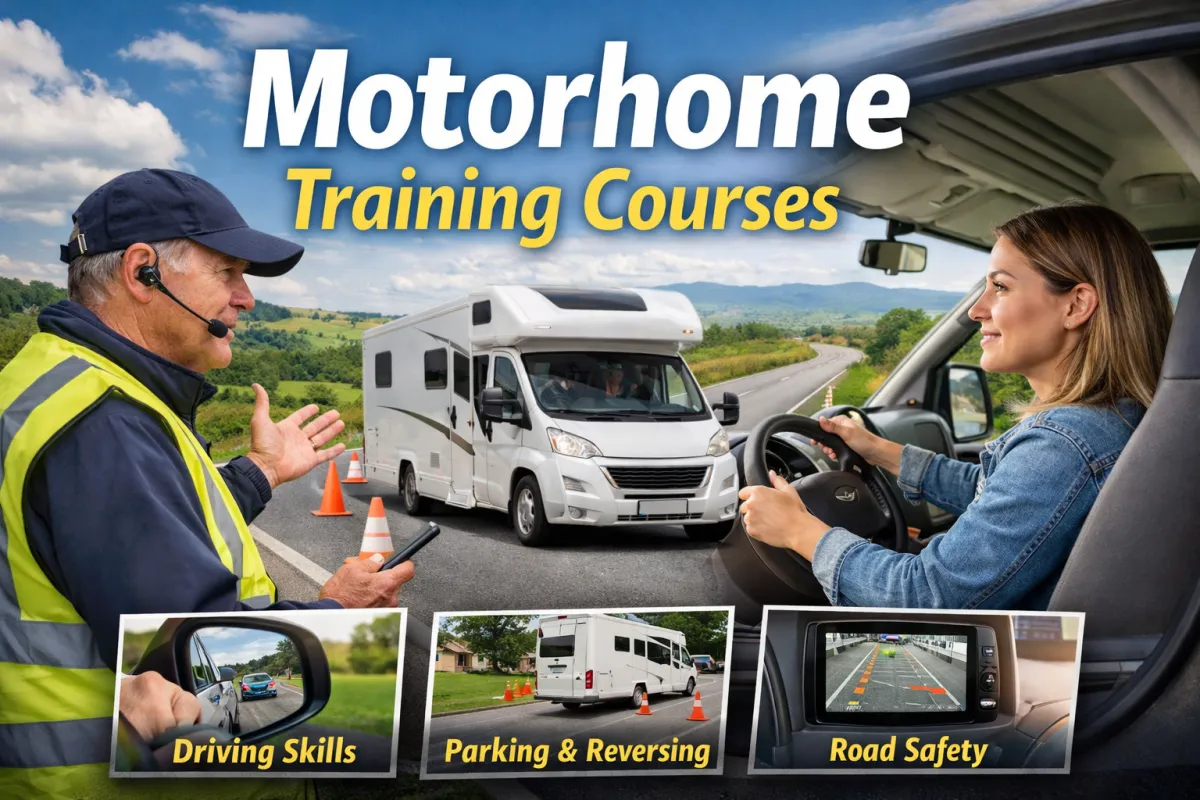
Motorhome Training Courses: Build Confidence Before You Hit the Road
Driving a motorhome for the first time can feel exciting, but it can also be a little intimidating. A motorhome is larger, heavier, and very different from a normal car. That is why motorhome training courses are becoming more important for new owners, renters, and even experienced drivers who want to improve their skills.
These courses help drivers understand how to handle a motorhome safely, park with confidence, manage blind spots, and travel more comfortably. Whether you are planning weekend road trips or long touring holidays, the right training can make your journey safer and far more enjoyable.
What Are Motorhome Training Courses?
Motorhome training courses are practical driving lessons designed to help people learn how to drive and manage a motorhome safely. They are usually created for drivers who already hold a standard driving licence but have little or no experience with larger vehicles.
These courses often focus on real-world skills rather than just theory. Drivers learn how to control the vehicle, judge its size, reverse carefully, park in tight spaces, and stay safe on different types of roads. Some courses also cover loading, weight awareness, mirrors, route planning, and motorway driving.
Why Motorhome Training Courses Matter
Many people assume that if they can drive a car, they can easily drive a motorhome. In reality, a motorhome requires a different level of awareness. Its size affects turning, braking, acceleration, and parking. Even simple tasks like changing lanes or entering fuel stations need more care.
Motorhome training courses help reduce stress and improve confidence. Instead of learning through trial and error, drivers get guided instruction from professionals who understand the common mistakes and challenges. This can help prevent accidents, damage, and unnecessary anxiety on the road.
Who Should Take a Motorhome Training Course?
Motorhome training is useful for a wide range of drivers. First-time motorhome owners often benefit the most because they are still adjusting to the vehicle’s size and handling. People hiring a motorhome for a holiday can also gain confidence before starting their trip.
Even experienced drivers may find these courses valuable if they have not driven a large vehicle before. Some people take a refresher course after buying a bigger motorhome or before a long-distance European tour. Families, retired couples, solo travellers, and adventure seekers can all benefit from proper training.
What You Learn in Motorhome Training Courses
A good motorhome training course usually covers both driving skills and practical safety knowledge. The aim is to prepare drivers for real travel situations, not just short practice sessions.
Vehicle Control and Road Positioning
One of the first things drivers learn is how to manage the size of the motorhome on the road. Instructors explain road positioning, lane awareness, and how to judge space when passing other vehicles, cyclists, or roadside objects.
This is especially important on narrow roads, roundabouts, and in busy towns where motorhome drivers need to stay calm and precise.
Reversing and Parking
Reversing a motorhome can be difficult for beginners, especially when visibility is limited. Training courses teach safe reversing techniques, use of mirrors, and how to communicate clearly if another person is helping guide the vehicle.
Parking is another key skill. Drivers learn how to approach campsites, service areas, and car parks without panic or confusion.
Turning and Manoeuvring
A motorhome needs more room to turn than a car. During training, drivers learn how to take corners safely, handle roundabouts, and manoeuvre in tighter spaces. This helps reduce the risk of clipping curbs, posts, or nearby vehicles.
Understanding the turning circle of a motorhome is one of the most valuable parts of practical training.
Mirror Use and Blind Spot Awareness
Because a motorhome is larger and longer, blind spots can be more dangerous. A proper course teaches drivers how to use mirrors effectively and check surroundings before changing lanes, overtaking, or turning.
This improves both road safety and driver confidence.
Braking Distance and Speed Awareness
Motorhomes are heavier than standard cars, especially when fully loaded. That means stopping distances are longer and sudden braking can feel very different. Training courses help drivers understand safe speeds, braking habits, and how to stay in control on hills, bends, and wet roads.
Weight, Loading, and Safety Checks
Many motorhome training courses also include guidance on weight limits, proper loading, and pre-journey checks. Drivers learn why balanced loading matters and how overloading can affect safety, performance, and legality.
This is an important area that many new motorhome users overlook.
Benefits of Taking Motorhome Training Courses
The biggest benefit of motorhome training is confidence. Drivers who complete a course usually feel more relaxed, more prepared, and more in control. Instead of worrying about every turn or parking space, they can focus on enjoying the trip.
Another major benefit is safety. Good training reduces the chance of accidents, improves awareness, and helps drivers make better decisions on the road. It also protects the vehicle from avoidable damage, which can be especially important for rented motorhomes.
Training can also improve fuel efficiency, journey planning, and passenger comfort. Smoother driving habits make travel easier for everyone inside the vehicle.
Choosing the Right Motorhome Training Course
Not all courses are the same, so it is important to choose one that suits your experience level and travel needs. Some are designed for complete beginners, while others are more suitable for drivers who already have some motorhome experience.
Look for courses that offer practical on-road training, not just classroom theory. An experienced instructor, real driving scenarios, and personalised feedback can make a big difference. It is also helpful to choose a course that includes reversing, parking, and manoeuvring practice.
If possible, train in the same type of motorhome you plan to drive. Learning in a similar-sized vehicle helps build more realistic confidence.
Are Motorhome Training Courses Worth It?
For most people, yes. A motorhome is a major investment, and learning how to drive it properly is a smart decision. Even a short training session can help drivers avoid common mistakes and feel much more comfortable behind the wheel.
The value becomes even clearer when you think about the cost of repairs, insurance claims, or holiday stress caused by poor driving confidence. A quality training course can save money, improve safety, and make every trip more enjoyable.
Motorhome Training Courses for Beginners
Beginners often feel nervous about the size of a motorhome, especially if they are moving from a small car. The good news is that motorhome training courses for beginners are designed to make the learning process simple and manageable.
Instructors usually start with the basics, including mirror setup, seating position, vehicle dimensions, and slow-speed control. From there, drivers gradually build their confidence with road driving, parking, and manoeuvring exercises.
This step-by-step approach helps new drivers feel more comfortable without being overwhelmed.
Final Thoughts
Motorhome training courses are one of the best ways to prepare for safe and enjoyable travel. They give drivers the skills, confidence, and awareness needed to handle a larger vehicle with less stress and more control.
Whether you are buying your first motorhome, hiring one for a holiday, or simply want to improve your driving skills, proper training can make a real difference. A little preparation at the start can lead to many more relaxed, confident, and memorable journeys ahead.
